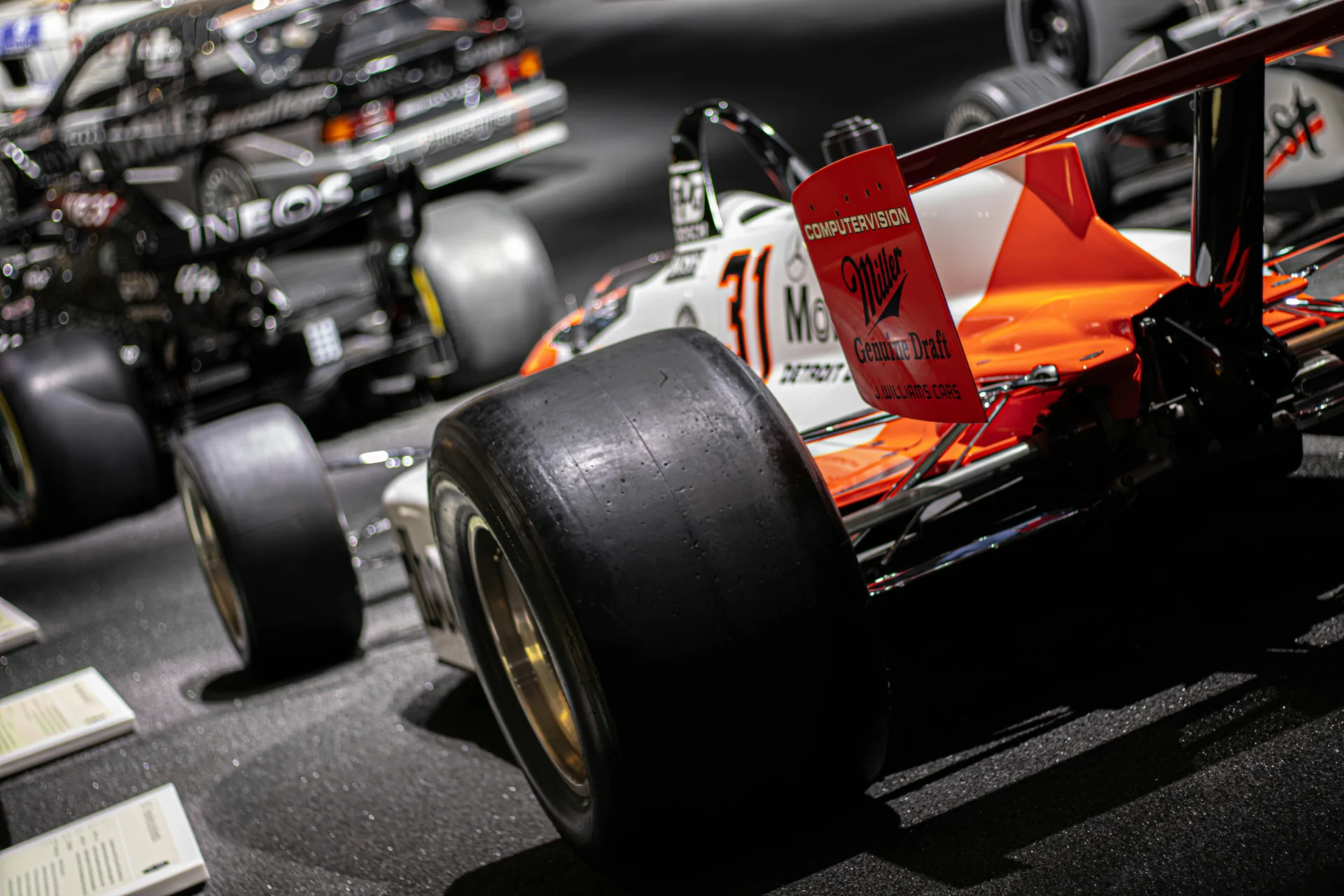
🏁 Race Weekend Format
Three days, three distinct challenges define an F1 weekend.
Practice sessions are for optimization, where teams collect aerodynamic data and drivers build confidence lap by lap. Qualifying is about peak performance, a short, intense period where the car and driver must deliver absolute maximum speed. The Race is the ultimate examination, testing reliability, strategy, and the driver's ability to perform under pressure for two hours.
The weekend cycle — Tune. Time. Triumph.
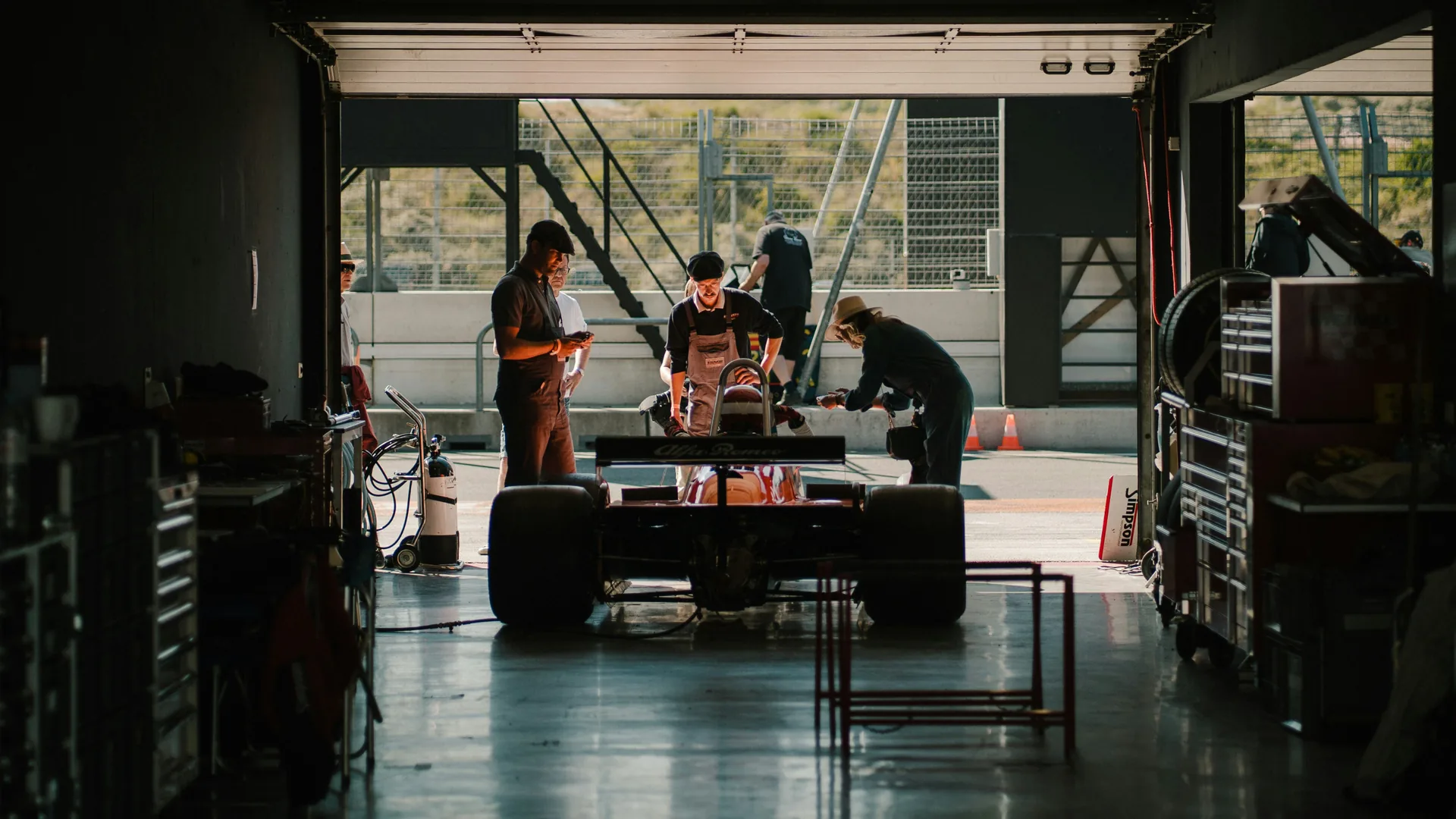
⚙️ Qualifying Structure (Q1–Q3)
The qualifying format is designed for drama and excitement.
Q1: A busy session where track evolution is key; the five slowest are out. Q2: The midfield battle intensifies as drivers fight for a Q3 berth; five more see their qualifying end. Q3: The final shootout for pole position, where the top ten drivers have the track to themselves to set a definitive time.
Three rounds, one goal: start first.
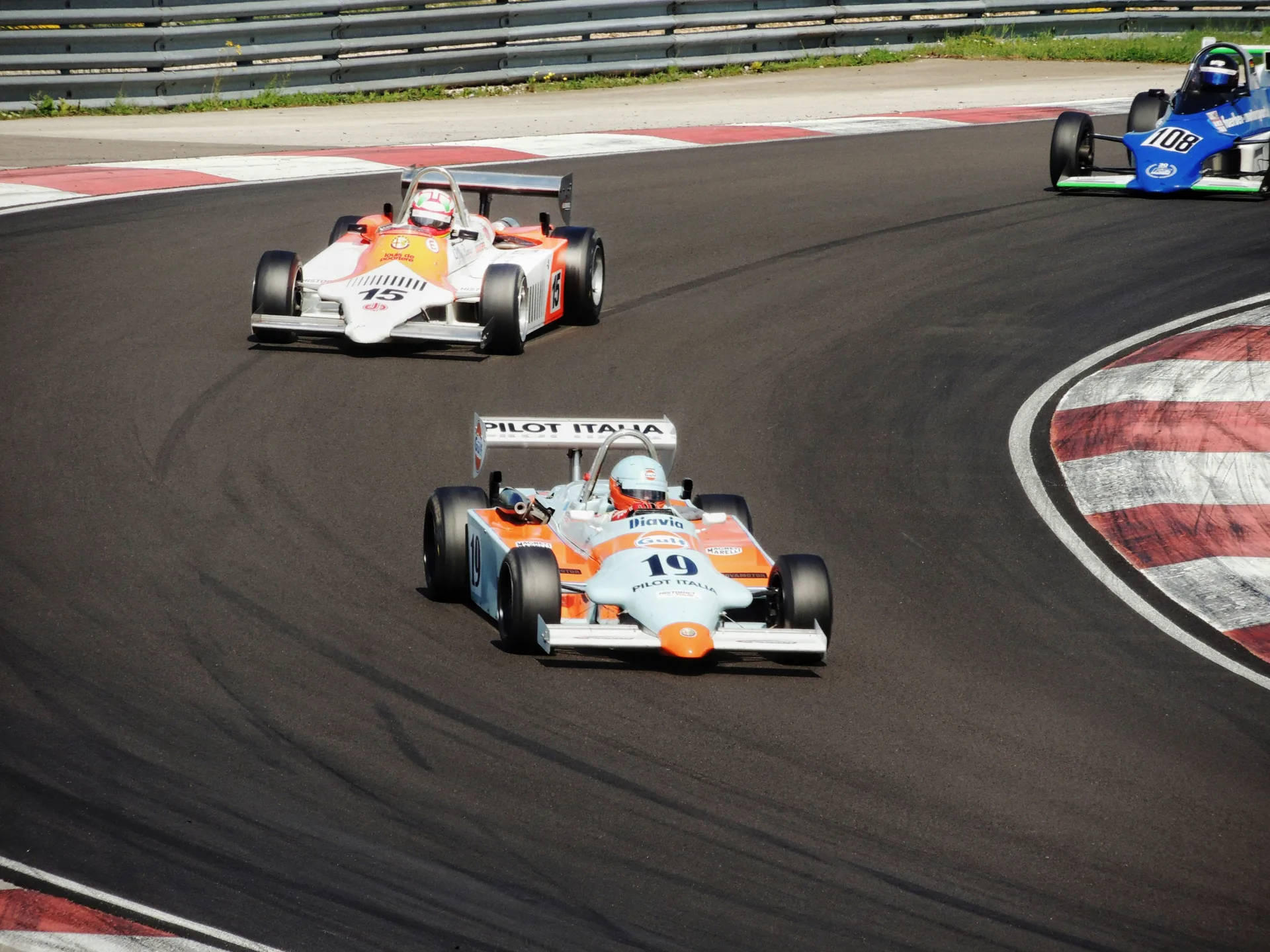
🏎️ Points & Championships
Every Sunday is a battle for championship points.
The points system ensures a fierce battle throughout the top ten, with 25 points for a win scaling down to a single point for tenth place. The Fastest Lap point keeps the racing competitive right to the very end, rewarding drivers who push until the checkered flag. These points are the currency for winning the Drivers' and Constructors' Championships, the twin pillars of success in Formula 1.
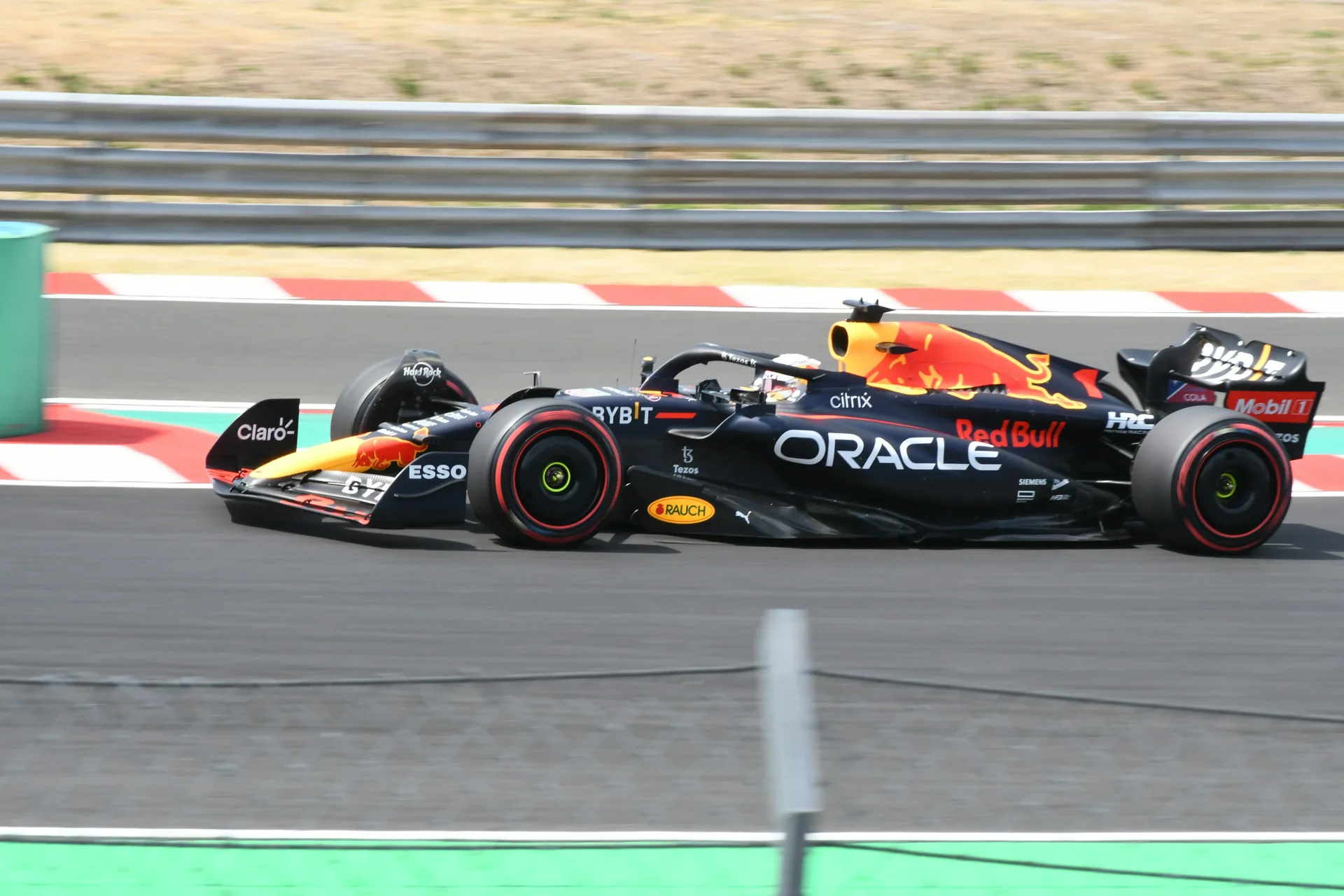
🚦 Pit Stops & Race Safety
Strategy from the pit wall is as important as speed in the cockpit.
The rule requiring at least two tyre compounds guarantees strategic variety, with teams planning their races around potential undercuts and overcuts. The pit crew's choreography is key, aiming for stops consistently under 2.5 seconds. When an incident occurs, the Safety Car or VSC is deployed, neutralizing the race, allowing marshals to work safely, and forcing every team on the grid to make instant, high-stakes strategic decisions.